
An interim car service is a crucial aspect of vehicle maintenance that ensures your car remains in optimal condition between full services. This type of service typically includes essential checks and minor maintenance tasks that help prevent larger issues down the line.
We will explain what an interim car service includes, its importance for vehicle longevity and safety, and how it differs from a full car service.
What Does An Interim Car Service Include?
An interim car service is designed to cover the essential checks and maintenance tasks that keep your vehicle running smoothly. This service typically occurs every 6,000 miles or every six months, whichever comes first, depending on your driving habits and vehicle requirements.

Key Checks During An Interim Service
During an interim service, several key components are checked to ensure your vehicle's safety and performance. Regular oil changes are vital for engine health, as they prevent sludge buildup and ensure proper lubrication.
Checking the brakes is crucial for safety, as worn brake pads can lead to reduced stopping power. Essential fluids such as coolant, brake fluid, and windshield washer fluid are topped up to maintain optimal vehicle function.
Engine Oil Change And Fluid Top-Up
The engine oil change and fluid top-up are critical components of an interim car service. Clean engine oil is essential for lubricating engine parts, reducing friction, and preventing overheating. Over time, oil can become contaminated with dirt and debris, which can lead to engine wear and reduced performance.
Fluid top-ups, including coolant and brake fluid, are equally important. Adequate coolant levels prevent the engine from overheating, while proper brake fluid levels ensure effective braking performance. Regularly changing the oil and topping up fluids can significantly enhance your vehicle's longevity and reliability.
Why Is Interim Car Service Important For Vehicle Longevity And Safety?
Regular interim car servicing plays a vital role in maintaining your vehicle's health and safety. By adhering to a consistent service schedule, you can ensure that your car remains in peak condition, reducing the likelihood of unexpected breakdowns.
Benefits Of Regular Interim Servicing
- Increased Vehicle Lifespan: Regular maintenance helps extend the life of your vehicle by addressing minor issues before they escalate.
- Improved Safety: Routine checks ensure that critical components, such as brakes and tires, are functioning correctly, enhancing overall safety.
- Cost Savings: Preventive maintenance can save you money in the long run by avoiding costly repairs that result from neglect.
Interim Service Helps Prevent Breakdowns
- Early Problem Detection: Interim services help spot potential issues before they develop into breakdowns.
- Wear and Tear Checks: Mechanics inspect key components to identify damage or wear that may not be obvious to the driver.
- Reduced Breakdown Risk: Problems such as low oil levels or worn brakes can be addressed early, lowering the chance of being stranded on the road.
How Does Interim Service Differ From A Full Car Service?
Understanding the differences between interim and full car services is essential for effective vehicle maintenance. While both services aim to keep your vehicle in good condition, they differ in scope and frequency.
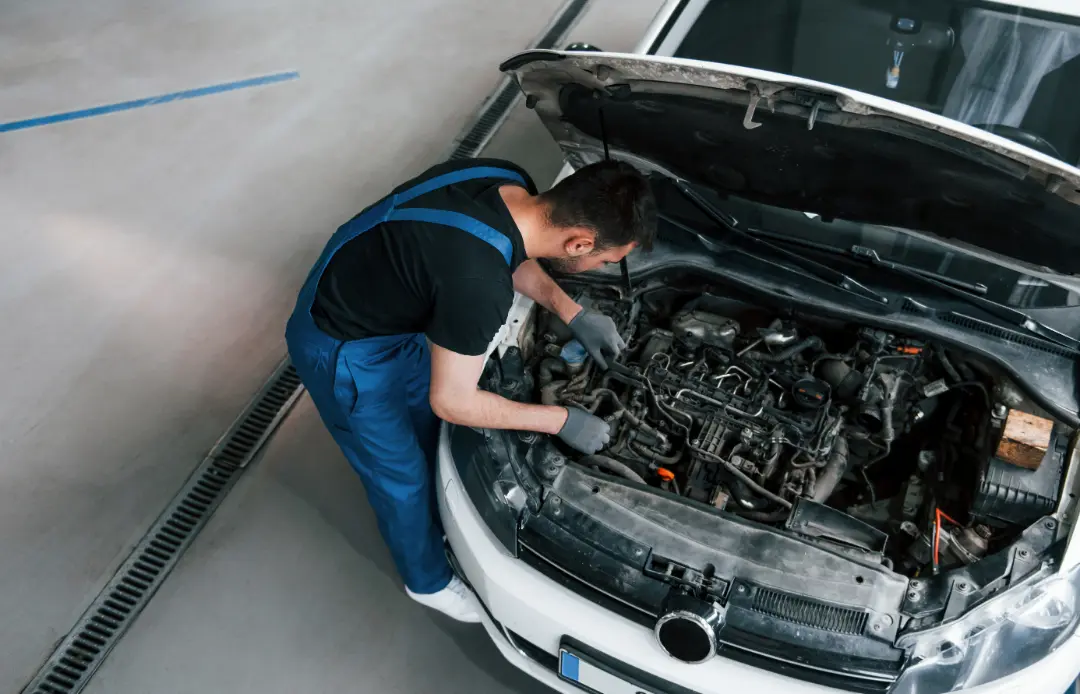
Interim Vs Full Service Checklists
- Interim services cover essential checks and minor maintenance.
- Full services include a more detailed inspection of the whole vehicle.
- Interim services are usually carried out more often.
- Full services are normally done less often but are more thorough.
- Both services help keep the vehicle safe, reliable, and in good condition.
Choosing Between Interim And Full Service
- Choose the service based on your vehicle’s mileage and overall condition.
- Interim services are useful if you drive often.
- High-mileage vehicles usually benefit from more regular interim servicing.
- Full services are often more suitable when your vehicle is due for a more thorough inspection.
- The right choice helps keep your vehicle running properly and safely.
What Special Considerations Are There For High Mileage Car Maintenance?
High-mileage vehicles often require special attention to ensure their continued performance and safety. As cars age, certain components may wear out more quickly, necessitating additional checks during servicing.
Interim Service For High Mileage Vehicles
For high-mileage vehicles, interim services may include extra checks to help prevent age-related wear from becoming a bigger problem. This may include checking the transmission fluid to ensure it is at the correct level and remains in good condition.
Keeping the fluid in check can help reduce wear and avoid more expensive repairs later. Suspension components may also need regular checks, as older vehicles are more likely to develop wear that can affect comfort, handling, and safety.
Additional Checks For High Mileage Cars
In addition to standard checks, high-mileage cars may benefit from a battery health assessment, as older batteries can fail without much warning. Regular tyre condition checks are also important because worn tyres can affect handling, braking, and overall safety on the road.
Our Commitment to Quality Interim Car Services
At All Vehicle Services, we pride ourselves on being your dependable partner for all your car maintenance needs, specialising in expert interim car services. Our skilled technicians focus on delivering thorough inspections and personalised care tailored specifically to your vehicle.
We recognise how vital regular servicing is to maintain safety, reliability, and extend the life of your car. Whether you drive frequently or own a high-mileage vehicle, our customised service plans are designed to help you avoid breakdowns and costly repairs.
Utilising the latest diagnostic technology and adhering strictly to manufacturer guidelines, All Vehicle Services ensures professional and efficient interim servicing. Our dedication to customer satisfaction means you can trust us to keep your vehicle in excellent condition.
Frequently Asked Questions
How often should I get an interim car service?
An interim car service is usually recommended every six months or around 6,000 miles, whichever comes first.
High‑mileage drivers, or those who do lots of short trips, often benefit most from keeping to this schedule.
What’s included in an interim service compared with a full service?
An interim service focuses on essentials such as an oil and filter change, fluid top‑ups, brake and tyre checks, and basic safety inspections.
A full service covers everything in an interim service plus more detailed checks and additional replacements, and is usually done less frequently.
Do low‑mileage drivers still need interim servicing?
Low‑mileage drivers may not always need an interim service as often, but age‑related wear and fluid degradation still occur even when a car is used less.
Following the manufacturer’s guidance and taking advice from a trusted garage helps decide whether interim servicing is worthwhile for your driving pattern.
How long does an interim service usually take?
An interim service typically takes about one to two hours, depending on the garage and any additional issues found during checks.
It is designed to fit more easily into your day than a full or major service while still giving the car a thorough once‑over.
How much does an interim car service cost?
Interim service prices vary by vehicle type and garage but are usually cheaper than a full or major service because fewer parts are replaced and the checklist is shorter.
It is still important to compare quotes and check what is included so you understand the value you are getting.
Is an interim service worth it if I already have an annual full service?
For many drivers, an interim service between annual full services helps catch wear and fluid issues early, reducing the risk of breakdowns and more expensive repairs later.
It can be especially worthwhile if you cover high mileages, tow, or drive in demanding conditions.
Can I Perform An Interim Service Myself?
You can handle basic checks like fluid levels and tyre pressure, but a professional mechanic should carry out the full service. They can spot issues that may not be obvious and follow manufacturer guidelines. This also helps make sure the service is completed properly and safely.
What Should I Do If My Vehicle Shows Warning Lights After An Interim Service?
If warning lights appear after an interim service, contact your mechanic as soon as possible. These lights can indicate anything from a minor fault to a serious mechanical issue. Quick attention can help prevent further damage and extra repair costs.
How Can I Find A Reliable Mechanic For Interim Services?
To find a reliable mechanic for interim services, start by seeking recommendations from friends, family, or online reviews. Look for mechanics who have relevant experience with your vehicle make and model and a strong local reputation.