
Picking the correct battery makes a big difference to reliable starts, running costs, and the protection of your car’s electronics. In this guide, we walk you through the main types, flooded lead-acid, AGM, EFB, lithium, and gel, show how they behave, and help you match each type to common cars and driving habits.
You’ll learn which specs to check (CCA, reserve capacity, amp-hours, BCI group size), how Kent’s weather and short trips shorten battery life, and the clear signs a battery needs replacing. Handy tables and short lists make comparisons quick, and we point out local options for testing and replacement so Sittingbourne drivers can act fast.
What Are The Main Car Battery Types, And How Do They Differ?
Here we define the most common battery types and outline the key differences in how they’re made, how they perform, and what they cost. A compact comparison table follows so you can quickly scan typical lifespan, best use, and common CCA ranges, useful when deciding which battery suits your car.
The table sums up the practical trade-offs for UK drivers and shows which batteries are commonly fitted by garages. After the table, we explain how All Vehicle Services in Sittingbourne can supply and fit the right type if you’d rather leave the matching and installation to a pro.
| Battery Type | Typical Cost | Typical Lifespan | Best For | Typical CCA Range |
|---|---|---|---|---|
| Flooded lead-acid | Low | 2–3 years | Older cars, simple electrics, and budget replacements | 300–600 A |
| AGM (Absorbent Glass Mat) | Medium–high | 3–5 years | Stop-start systems, high electrical load | 500–900 A |
| EFB (Enhanced Flooded Battery) | Medium | 2–4 years | Entry-level stop-start systems, cost-sensitive | 400–700 A |
| Lithium-ion (LiFePO4) | High | 5+ years | Lightweight performance, regular deep cycles | 200–600 A (equiv.) |
| Gel cell | Medium | 3–5 years | Specialist deep-discharge applications | 300–700 A |
AGM and EFB are usually better for modern start-stop and high-demand cars, while traditional flooded batteries remain the most economical choice for older, low-load vehicles. If you’d like a local quote or help matching the right type to your model, All Vehicle Services can recommend and fit the correct battery after a free local health check.
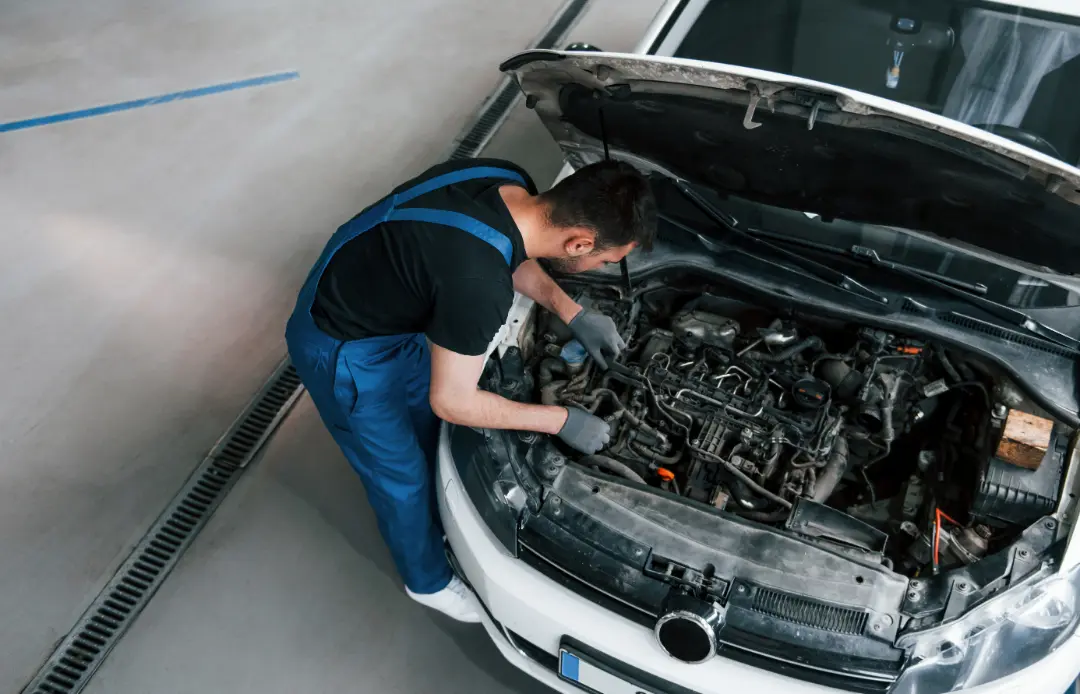
Standard Flooded Lead-Acid Batteries and When They Are Right
Flooded lead-acid batteries use a liquid electrolyte and metal plates to store energy. They’re simple and inexpensive, which makes them a sensible option for older vehicles with low electrical demand.
They don’t tolerate deep discharges as well, are more prone to sulfation, and lose starting power faster in cold weather compared with AGM or EFB types. If you mainly take longer journeys in a basic car and are on a budget, a flooded lead-acid battery is often the most economical pick.
AGM and EFB Batteries for Modern Cars
AGM batteries trap the electrolyte in glass mats, so they accept charge faster, resist vibration better, and cope well with heavy electrical loads, ideal for full stop-start systems and cars with lots of electronics. EFBs are an improved flooded design that handles moderate stop-start cycles at a lower price than AGM, though they’re less durable under heavy cycling.
AGM usually gives higher reserve capacity and CCA, making it the better choice for high-demand vehicles; EFB can be a cost-effective OEM replacement for mild stop-start systems. Always check your manufacturer’s recommendation before upgrading to avoid compatibility or warranty issues.
How Do Vehicle Use And Driving Conditions Affect Battery Choice?
Your car’s electrical load, how you drive, and the local climate all influence which battery is best. High accessory use (audio, heated seats, infotainment) pushes you toward AGM or higher Ah batteries.
Short, urban trips prevent the alternator from fully recharging the battery and shorten its life. Regular long drives let standard batteries last longer, but stop-start systems change the game by demanding better cycle durability.
Around Sittingbourne and across Kent, generally mild but occasionally cold winters, plus lots of short runs, mean a free battery health check is a quick way to see whether you need higher CCA or an AGM battery upgrade.
- Local Kent conditions affect battery choice for three main reasons: cold snaps reduce starting power and increase CCA needs, short urban trips limit alternator recharge and raise sulfation risk, and wet roads plus extra vibration increase mechanical stress on casings.
Because of these local factors, a diagnostic and health check is useful to match battery type to how you actually use the car. All Vehicle Services offers a free check to help drivers decide.
Batteries for Stop-Start and High-Demand Vehicles
Stop‑start systems create many shallow charge/discharge cycles, so they need batteries built to cope. AGM batteries are designed for that workload. Fast charge acceptance and stronger cycle durability make them a good fit for full stop‑start systems and cars with heavy electronics. EFBs can work for milder stop‑start setups where cost matters, while lithium options are only suitable where the vehicle’s electrical system and manufacturer explicitly allow them. Stick to the OEM spec where possible to avoid faults or warranty problems.
Kent’s Climate and Battery Performance
Although Kent is generally mild, cold spells still reduce a battery’s effective starting power and can cause weak batteries to fail during frost or prolonged low temperatures. Even moderate winters increase the value of a higher CCA and solid reserve capacity for reliable starts and to keep accessories running.
Coastal humidity and many short local trips can speed corrosion and sulfation, so regular checks are sensible. Using local expertise, for example, a free health check from All Vehicle Services, helps pick a battery spec that handles Sittingbourne’s driving and weather patterns.
Which Battery Specs Matter When You’re Choosing A New One?
Cold Cranking Amps (CCA), reserve capacity (RC), amp‑hours (Ah), and BCI group size are the key parameters to match performance and fit. They tell you how well a battery starts the engine in cold weather, how long it can run accessories with the engine off, and whether it will physically fit and connect correctly.
The table below explains each spec with practical notes for typical UK cars and Kent conditions.
| Specification | What It Measures | Recommendation / Local Note |
|---|---|---|
| Cold Cranking Amps (CCA) | Peak current for cold starts | Choose a higher CCA within the manufacturer’s spec for colder months and diesel engines |
| Reserve Capacity (RC) | Minutes at 25A before voltage drops | 90+ minutes for high accessory use |
| Ampere-hours (Ah) | Energy storage over time | Higher Ah for long accessory runtimes |
| BCI Group Size | Physical dimensions and terminal layout | Match the OEM group to ensure fit, and that terminals align |
Comparing these values helps you look beyond price. A professional fitment service can confirm the correct BCI group and advise the best trade‑off between CCA and Ah. All Vehicle Services can check your vehicle’s spec and recommend compatible batteries during a diagnostic visit.
Cold Cranking Amps and Why They Matter
CCA measures the current a battery can deliver for 30 seconds at 0°F (−18°C) while keeping at least 7.2V on a 12V battery. In practice, it shows how easily your car will start in cold conditions. Higher CCA improves starting reliability in frosts and is especially useful for diesel engines or older starters that need strong initial torque.
For most UK petrol cars, a CCA within the OEM range is fine, but Kent drivers who see occasional frost may want a modest CCA uplift. Balance CCA with reserve capacity to cover accessory loads.
Reserve Capacity, Battery Size, and Their Impact on Choice
Reserve capacity indicates how long a battery can power the car’s electrical systems if the alternator fails. Higher RC gives more margin for accessories and emergencies.
BCI group size guarantees the battery will physically fit the tray and that terminals align with the wiring; the wrong group size can cause fitting problems or unsafe cable runs. If you run lots of accessories, prioritise RC over a small CCA increase, but always confirm the BCI group size with a professional to avoid fitment or electrical issues.
When Should You Replace Your Car Battery, And How Can You Get Help In Sittingbourne?
Batteries typically last 3–5 years. After three years, it’s sensible to have annual checks, and replacement becomes likely around year four, depending on use and climate. Regular testing of voltage under load, CCA health, and reserve capacity shows remaining life and risk of sudden failure.
Watch for warning signs and book a health check early; preventive replacement is usually cheaper and less disruptive than an emergency recovery. All Vehicle Services offers battery diagnostics, free health checks, and replacement services to make the process straightforward for local drivers.
| Service | What It Includes | Estimated Time / Benefit |
|---|---|---|
| Free Battery Health Check | Voltage, load test, and visual inspection | 15–30 minutes / immediate recommendation |
| Diagnostic & Alternator Test | Full electrical system check | 30–60 minutes / identifies root cause |
| Battery Replacement & Fitment | Supply, fit, and test after installation | 30–45 minutes / safe, correct fit |
Common signs of failure include slow cranking, dim headlights, a battery warning light, and frequent jump‑starts. If you spot any of these, arrange a diagnostic promptly.
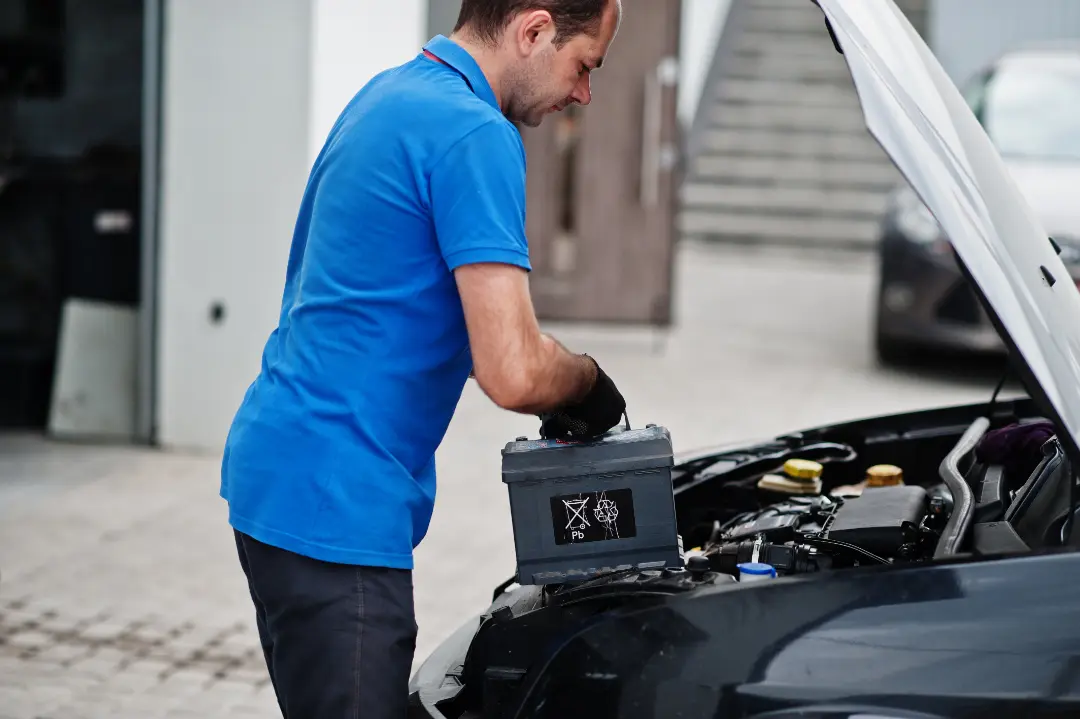
Common Signs of a Failing Battery
Watch for slow engine crank, dim or flickering lights, erratic electronics, and dashboard battery warnings; these point to reduced capacity or higher internal resistance. Batteries can also bulge or leak, and repeated jump‑starts mean failure is likely; you may also have alternator issues.
A quick at‑home check is to note starter speed and headlight brightness while cranking; persistent sluggishness deserves a professional load test. An early health check prevents being stranded and shows whether a battery or alternator service is needed.
All Vehicle Services Support for Battery Checks and Replacement
At All Vehicle Services in Sittingbourne, we offer free battery health checks, targeted diagnostics, and professional battery replacement with correct BCI group matching and post-fit testing.
Our standard process includes a visual inspection, voltage and load testing, a recommendation based on CCA and reserve capacity, and safe fitment, followed by a final system test to confirm charging performance.
We handle sourcing, fitting, and disposal of the old battery so you get a fast, safe resolution. To arrange a free check or get a quote, call All Vehicle Services for local, reliable help.
Frequently Asked Questions
How Can I Tell If My Car Battery Is Compatible With My Vehicle?
Check your manufacturer’s specs for the recommended battery type, size, and Cold Cranking Amps (CCA). The BCI group size is important because it ensures the battery fits the tray and the terminals line up with your wiring.
Also consider your car’s electrical demands and driving style; these affect which battery will perform best. If you’re unsure, our team at All Vehicle Services can give tailored advice for your model.
What Maintenance Do Different Battery Types Need?
Maintenance depends on the type. Flooded lead‑acid batteries need electrolyte level checks and occasional topping up with distilled water. AGM and gel batteries are generally maintenance‑free but should be kept clean and free of corrosion.
Lithium batteries need little maintenance but should be protected from extreme temperatures. Regardless of type, periodic health checks help spot issues early. All Vehicle Services offer free checks to keep your battery in good shape.
Can I Replace My Battery by Myself, Or Should I Get Professional Help?
Many people can replace a battery themselves, but professional help is recommended if you’re not confident. A garage will ensure the correct battery type, handle safe disposal of the old battery, and perform tests to confirm the new unit is working properly. Incorrect installation can cause electrical faults or safety risks. All Vehicle Services provides expert replacement to ensure a safe, efficient job for local drivers.
What Should I Do If My Battery Dies Suddenly?
If the battery dies, first check for loose connections or corrosion. You may need a jump-start or a replacement. It’s useful to keep jumper cables in the car or know where a nearby garage is. All Vehicle Services offers emergency diagnostics and replacement to get you moving again quickly.
Do Short Trips Damage My Car Battery?
Frequent short trips give the alternator little time to recharge the battery fully, which can lead to sulfation, reduced capacity, and early failure. If most of your driving is local stop‑start journeys, regular health checks and choosing a battery with better cycle durability (such as AGM or EFB, where suitable) can help.
Which Battery Is Best for a Stop‑Start Car?
Stop‑start vehicles need batteries designed for repeated charge and discharge cycles, typically EFB or AGM depending on how advanced the system is. Replacing an original stop‑start battery with a standard flooded unit can cause faults, so it’s important to match the manufacturer’s specification or ask a garage like All Vehicle Services to confirm the right technology.
What Are the Warning Signs My Battery Is About to Fail?
Common warning signs include slow cranking, dim headlights, dashboard battery warnings, and needing frequent jump‑starts. If you notice any of these, book a battery diagnostic as soon as possible to avoid an unexpected breakdown.