
Choosing between an EFB and an AGM can feel technical, but the right choice comes down to your car’s start-stop system, how much electrical equipment you use, and long-term value.
IN This guide, we explain the differences between Enhanced Flooded Batteries (EFB) and Absorbed Glass Mat (AGM) batteries, when each is a better fit, and give simple steps for drivers in Sittingbourne to choose with confidence.
If you’d rather get expert advice, All Vehicle Services in Sittingbourne offers a free battery health check and will recommend the best option for your car.
What Is An EFB Battery, And When Does It Make Sense?
An EFB (Enhanced Flooded Battery) is a reinforced lead-acid battery designed to handle the extra micro-cycling from basic start-stop systems. Compared with traditional flooded batteries, EFBs accept charge better and recover faster after engine-off restarts, yet they remain a cost-effective choice for cars with modest electrical demand.
They’re a good option for entry-level start-stop vehicles or drivers who want a reliable battery without the higher cost of AGM. Knowing the basics of EFB helps you decide whether your vehicle’s electrical needs are better served by staying with EFB or upgrading to an AGM battery.
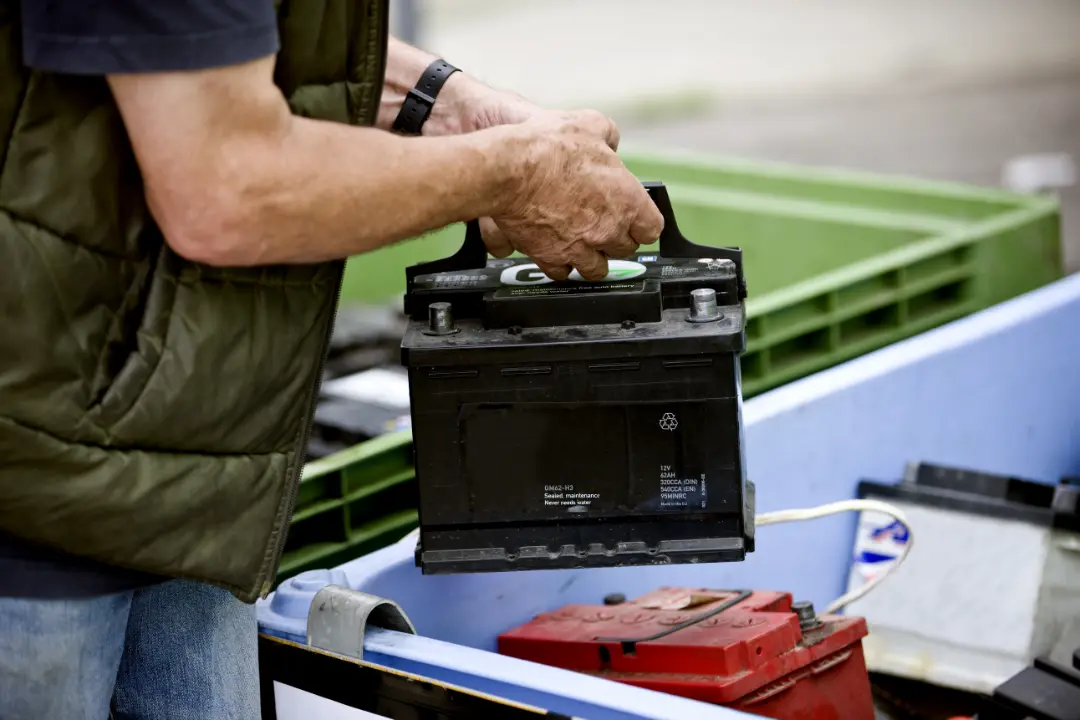
EFB Technology Explained
EFBs improve on standard flooded cells by reinforcing plate construction and optimising electrolyte movement. That raises charge acceptance and reduces sulphation during the frequent shallow cycles of start-stop driving. The result is quicker recovery after each stop and a longer cycle life than a conventional flooded battery.
EFBs are less demanding on the vehicle’s Battery Management System (BMS) than AGMs, but they still benefit from correct charging profiles, which influence maintenance and expected service life on the road.
Advantages and Limits of EFB Batteries
EFBs strike a balance between affordability and improved start-stop performance. Their strengths are lower upfront cost, better charge acceptance than conventional flooded batteries, and reasonable cycle life for moderate use.
The trade-offs are reduced tolerance for deep discharge and a shorter lifespan than AGMs under heavy accessory use or frequent deep cycling. Choosing an EFB usually comes down to vehicle spec, budget, and how intensively you use electrical accessories.
What Is An AGM battery, And Why Do Modern Cars Often Use Them?
An AGM (Absorbed Glass Mat) battery traps the electrolyte in glass fibre mats, creating a sealed, low-resistance cell that tolerates deeper discharges and recharges more quickly.
AGMs offer higher cycle life, better vibration resistance, and stronger performance for start-stop systems and vehicles with significant electrical loads. They cost more up front, but their durability often means fewer replacements and better support for cars with advanced electrical and battery management systems.
Differences Between AGM and EFB Technology
Unlike EFBs, AGM cells use glass mats between the plates to hold the electrolyte, producing a sponge-like internal structure with lower internal resistance. That gives faster recharge and greater tolerance to deeper cycling.
AGMs are sealed and more vibration-resistant, which makes them tougher in demanding driving conditions and when cars have heavy accessory loads. Those construction differences explain why AGMs are often preferred for higher-spec vehicles.
Why AGMs Are Recommended for Start-Stop Cars
Start-stop systems cause frequent shallow cycles, and AGMs cope better with that stress thanks to higher cycle life and faster charge acceptance. That reduces the risk of premature battery failure and helps retain reliable cold starts and accessory power between engine cycles.
Many manufacturers specify AGM for higher-spec models to meet electrical demands and warranty rules. Before you swap batteries, check BMS compatibility; some vehicles need registration or coding after an AGM battery replacement.
How Do EFB and AGM Compare, Performance, Lifespan, And Cost?
Here are the measurable differences: CCA, cycle life, expected service years, recharge speed, vibration resistance, and relative cost, so you can weigh short-term price against long-term reliability. The table below gives a quick, practical comparison to help with everyday day-to-day ownership decisions.
Key specs at a glance for easier battery decision-making:
| Attribute | EFB (Enhanced Flooded Battery) | AGM (Absorbed Glass Mat) |
|---|---|---|
| Cold Cranking Amps (CCA) | Good for most vehicle applications | Typically higher |
| Cycle life (micro-cycles) | Better than standard flooded | Superior; supports more cycles |
| Typical lifespan (years) | 3–4 (with moderate use) | 4–6+ (under higher demand) |
| Recharge speed | Moderate | Faster recharge |
| Vibration resistance | Standard | High |
| Relative cost | Lower upfront cost | Higher upfront cost |
AGMs generally lead in durability and performance, while EFBs cut the initial cost for cars with lighter electrical needs.
Key Performance and Durability Differences
AGMs usually offer higher CCA and better resistance to vibration and deep discharge, which means fewer replacements in demanding vehicles. EFBs improve on traditional flooded cells by boosting charge acceptance and cycle life at a lower price.
Practically speaking, an AGM is the safer choice for heavy accessory use, towing, or lots of short trips where the battery doesn’t fully recharge between starts. Your vehicle’s electrical load is the key deciding factor.
Cost, Long-Term Value, and Battery Choice
Upfront price matters, but total cost of ownership often favours AGM for high-demand vehicles because it can cut replacement frequency and downtime. If you drive an SUV with lots of electrical accessories, the higher AGM cost can pay off in longer service life and fewer failures.
By contrast, drivers of small or older cars with light usage usually benefit from the lower initial outlay of an EFB. Don’t forget to factor in warranty terms, expected mileage, and any BMS requirements when calculating long-term value.
How To Pick The Right Battery For Your Car In Sittingbourne
If you’re unsure which battery suits your vehicle, use a straightforward local checklist that balances vehicle type, electrical demand, and budget. All Vehicle Services in Sittingbourne offers a free battery health check, can confirm BMS compatibility, and will recommend EFB or AGM based on diagnostics and manufacturer guidance.
Professional fitting ensures correct specification, warranty handling, and safe disposal, and reduces the risk of an incompatible upgrade. Use the checklist below to narrow your options before booking a health check or replacement.
Quick checklist to evaluate battery needs:
- Check for a start‑stop system: If your car uses start‑stop often, AGM is usually the safer choice.
- Assess electrical accessories: Heavy accessory use (audio, heated seats, added electronics) points to AGM.
- Consider budget and replacement frequency: EFBs are cheaper upfront and suit lower‑demand cars.
This checklist clarifies the trade-offs and often leads to a short diagnostic check for final confirmation.
| Vehicle Type | Electrical Demand | Recommended Battery Type |
|---|---|---|
| Small non-start-stop car | Low | Standard or EFB |
| Entry-level start-stop hatchback | Moderate | EFB |
| High-spec start-stop saloon/SUV | High | AGM |
| Vehicles with heavy accessories and towing | Very high | AGM |
This quick guide links common vehicle profiles to likely battery choices and directs you towards professional diagnostics and fitting when needed.
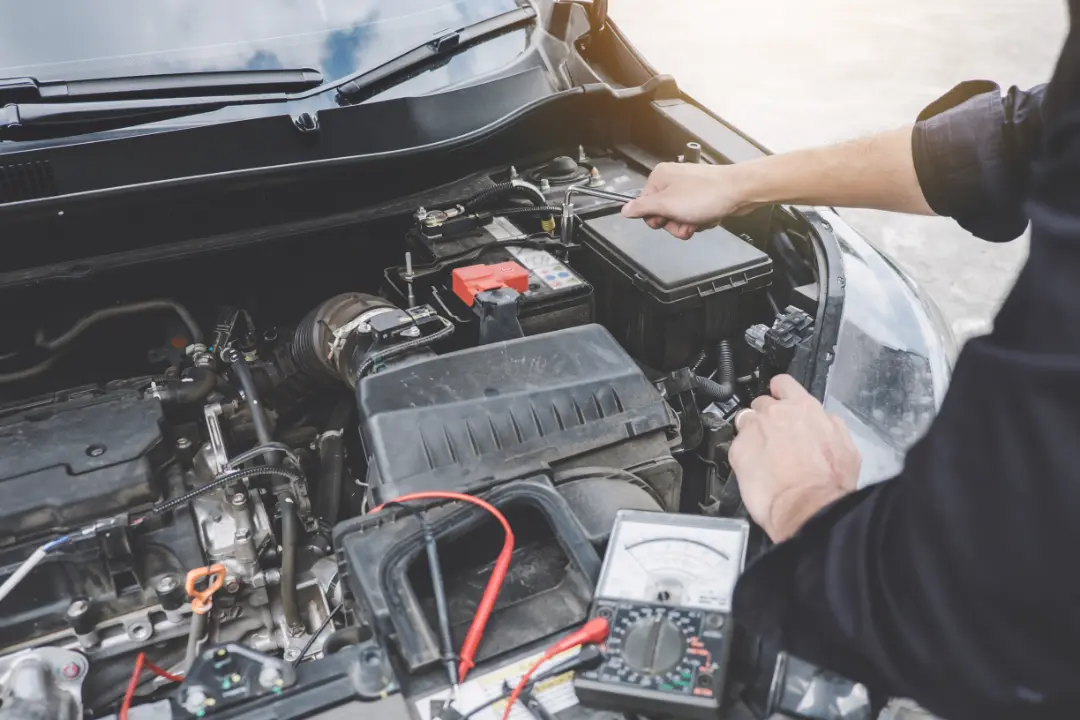
When to Upgrade from EFB to AGM
An AGM upgrade can help resolve recurring electrical issues in high-demand cars, but only after a BMS and charging-system compatibility check. AGM’s higher cycle life and faster recharge make it attractive for cars with frequent micro-cycling or heavy accessory loads, but an improper upgrade can affect warranty or charging performance.
Before you switch, get a technician to run diagnostics. All Vehicle Services in Sittingbourne offers a free health check and a BMS compatibility assessment to guide that decision.
When to Get a Professional Battery Replacement
Use a professional service when the battery’s condition is marginal, the vehicle requires BMS registration, or safe fitment and environmentally responsible disposal matter.
Technicians will confirm the correct specification, handle warranty registration, and dispose of the old battery safely. For drivers in Sittingbourne, All Vehicle Services provides experienced technicians, transparent pricing, and a free battery health check to identify the right battery and carry out a safe, compliant installation.
Frequently Asked Questions
What Should I Consider When Choosing Between EFB and AGM?
Think about your car’s electrical load, whether it has a start-stop system, and your budget. EFBs are cost-effective for lower electrical demand, while AGMs are better for cars with many accessories or heavy start-stop use. Also factor in expected lifespan and any BMS or warranty requirements. If in doubt, a short diagnostic check will quickly make the choice clear.
Can I Fit An Agm In A Car Designed For An Efb?
Often, you can, but you must check BMS compatibility. AGMs have different charging characteristics, and some cars need BMS reprogramming or registration after an AGM fitment. If the vehicle’s system isn’t compatible, it can cause charging issues, so always get a technician to confirm before swapping.
How Do Temperature Extremes Affect These Batteries?
Both types are affected by extreme temperatures, but AGMs generally cope better because they’re sealed and lose less electrolyte. EFBs can show reduced performance in very cold or hot conditions. Consider your local climate when choosing a battery; extremes can shorten lifespan or reduce capacity.
What Maintenance Do EFB and AGM Batteries Need?
Both need less upkeep than traditional flooded batteries. AGMs are sealed and usually don’t require topping up; some EFBs may still need occasional checks if not fully sealed. Regularly inspect terminals for corrosion, keep connections tight, and keep the battery clean to help prolong life.