An MOT test is a legal requirement to confirm road safety and environmental compliance. Understanding MOT classes helps you identify the correct category for inspection. With the UK’s Driver and Vehicle Standards Agency defining eight distinct classes, matching your vehicle to the right class ensures the correct checks, whether you drive a motorcycle, a family car, or a light commercial van. It is essential to familiarize yourself with the requirements for an MOT test, as these can vary significantly depending on the class of your vehicle. Ensuring that your vehicle meets these criteria can prevent potential fines and keep you safe on the road. Additionally, regular maintenance and timely inspections can help you avoid costly repairs and prolong the life of your vehicle.
This guide defines each class, explains the criteria, maps vehicle types, outlines inspection differences, shows how to identify your class, and details booking options at All Vehicle Services in Sittingbourne—plus common failure reasons to help you prepare.
Understanding MOT Classes and Why They Matter
MOT classes are DVSA-defined categories that group vehicles by type, weight, and passenger capacity so inspections cover relevant safety and emissions checks. This classification matters because each class has specific test points—from seatbelt checks on larger passenger vehicles to braking and suspension inspections on goods vehicles—helping protect all road users. For example, a motorcycle under 200 cc is Class 1, while a 3,500 kg van is Class 7, reflecting different design and safety priorities.
The MOT Test and Its Regulation
An MOT is an annual inspection of safety systems, emissions, and roadworthiness, regulated by the DVSA to maintain uniform standards across authorised test centres.
The DVSA publishes detailed inspection manuals covering brakes, lights, emissions, and more. Our testers inspect your vehicle to DVSA standards, so every MOT follows official guidelines with local expertise for reliable results.
Defining MOT Classes by Vehicle Attributes
MOT classes are defined using three main attributes—vehicle type (motorcycle, car, goods vehicle), unladen or design gross weight, and seating capacity—to reflect a vehicle’s operational characteristics.
Weight thresholds (e.g., up to 450 kg unladen for three-wheelers) and passenger limits (e.g., up to eight seats for Class 4 cars) determine which test procedures apply. This alignment ensures inspections are proportionate to vehicle size and use.
The 8 Main UK MOT Classes
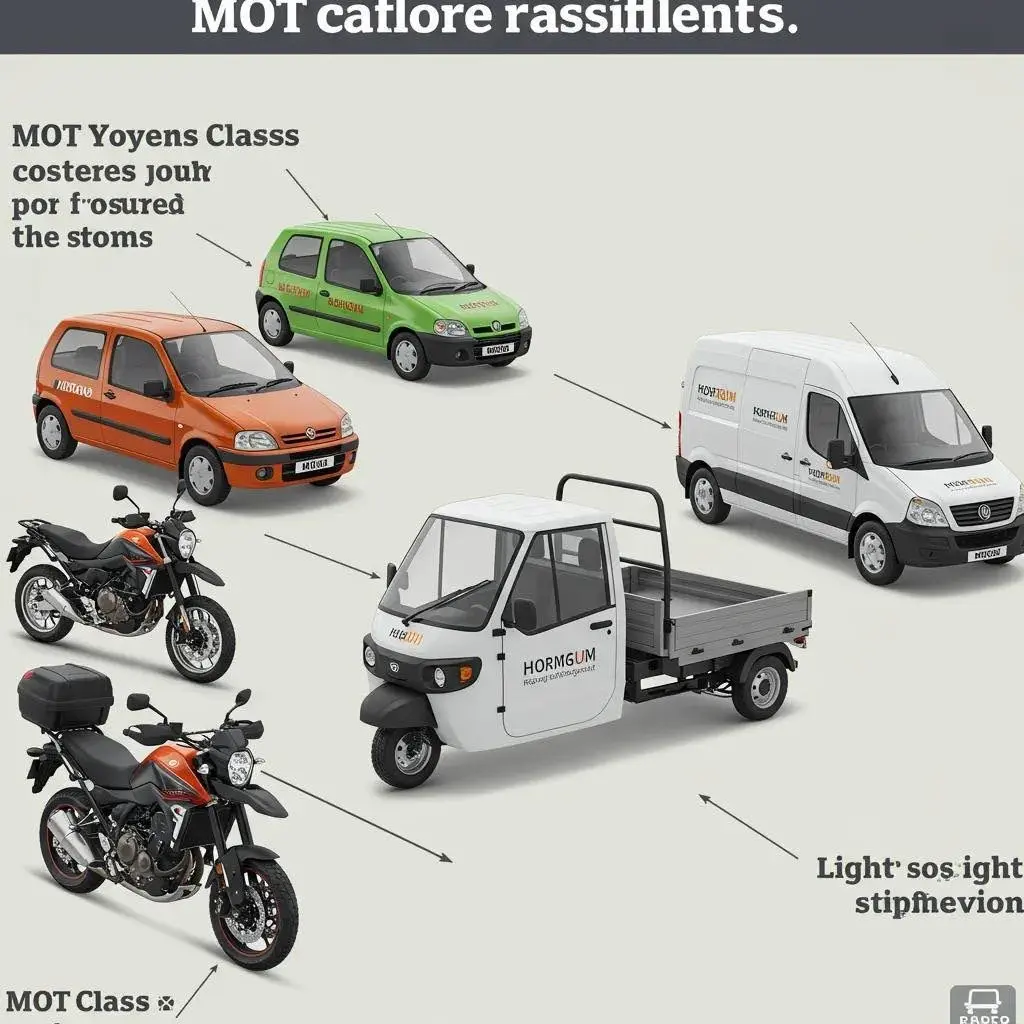
The UK MOT system divides vehicles into eight classes based on type, weight, and capacity.
- Class 1: Motorcycles up to 200 cc
- Class 2: Motorcycles over 200 cc
- Class 3: Three-wheeled vehicles up to 450 kg unladen weight
- Class 4: Cars, small vans, motor caravans, taxis, and ambulances up to eight seats
- Class 4a: Class 4 vehicles fitted with 9–12 passenger seats requiring seatbelt checks
- Class 5: Large passenger vehicles with 13+ seats, including ambulances and play buses
- Class 5a: Class 5 vehicles with mandatory seatbelt installation verification
- Class 7: Goods vehicles between 3,000 kg and 3,500 kg design gross weight
These categories cover everything from two-wheelers to heavier commercial vans.
Impact of MOT Classes on Testing Requirements
Your vehicle’s MOT class determines which inspection points apply. Motorcycle classes focus on frame integrity, lights, and brakes, while Class 4 includes steering, suspension, tyres, and exhaust tests for applicable vehicles.
Heavier goods vehicles in Class 7 undergo additional checks on braking performance, load-bearing components, and overall condition. Matching the correct class ensures every relevant safety aspect is examined.
Vehicles in Each MOT Class
This section maps vehicle types to their MOT classes to help you quickly identify where your vehicle belongs and what to expect from testing.
Class 1 and 2 MOTs for Motorcycles
Class 1 and Class 2 apply to two-wheeled vehicles distinguished by engine capacity:
- Class 1 covers motorcycles up to 200 cc, focusing on basic functional checks.
- Class 2 covers motorcycles over 200 cc, adding more detailed brake and suspension inspections.
Both classes inspect lights, steering, tyres, and exhaust smoke/noise where applicable, with Class 2 tests reflecting the higher performance and weight of larger engines. Knowing your class helps you bring the right documents and pre-check your bike.
Class 3 MOT for Three-Wheeled Vehicles
Class 3 applies to three-wheeled vehicles with an unladen weight not exceeding 450 kg. These include certain trikes and three-wheeled commercial vehicles. Inspection covers chassis integrity, brake balance, lighting, and horn functionality. This weight threshold separates lightweight trikes from heavier models, so technicians apply the appropriate test for stability and handling.
Class 4 MOT for Cars, Small Vans, and Motor Caravans
The most common category, Class 4, includes passenger cars (up to eight seats), small commercial vans (design gross weight up to 3,000 kg), and motor caravans. Below is a breakdown of core vehicle criteria:
| Vehicle Type | Passenger Seats | Design Gross Weight |
|---|---|---|
| Saloon and hatchback | Up to 8 | Up to 3,000 kg |
| Small commercial vans | Up to 2 | Up to 3,000 kg |
| Motor caravans | Up to 8 | Up to 3,000 kg |
| Taxis and ambulances | Up to 8 | Up to 3,000 kg |
Class 4a MOT and Seatbelt Checks
Class 4a applies to vehicles built to carry nine to twelve passengers under Class 4 weight limits and includes additional seatbelt installation checks. Minibuses and some dual-purpose vehicles fall into this subclass. Technicians inspect anchorage points, belt retraction, and labelling to ensure every seatbelt meets legal standards.
Class 5 and 5a MOTs for Large Passenger Vehicles
Classes 5 and 5a encompass vehicles designed for 13 or more passengers, such as full-size minibuses, play buses, and certain ambulances.
- Class 5 tests cover braking systems, body condition, ventilation, and lighting.
- Class 5a adds seatbelt checks for vehicles with belt-fitted seating to confirm correct installation and condition.
By separating these passenger-heavy vehicles into their own classes, the DVSA ensures critical safety features are reviewed annually.
Class 7 MOT for Goods Vehicles
Class 7 targets light goods vehicles with a design gross weight between 3,000 kg and 3,500 kg, including larger delivery vans and commercial utilities. Inspection covers load-bearing points, suspension condition, brake wear, and standard MOT emissions tests for applicable engines. This thorough check helps keep heavy-duty vans roadworthy under higher loads.
Inspection Differences Across MOT Classes
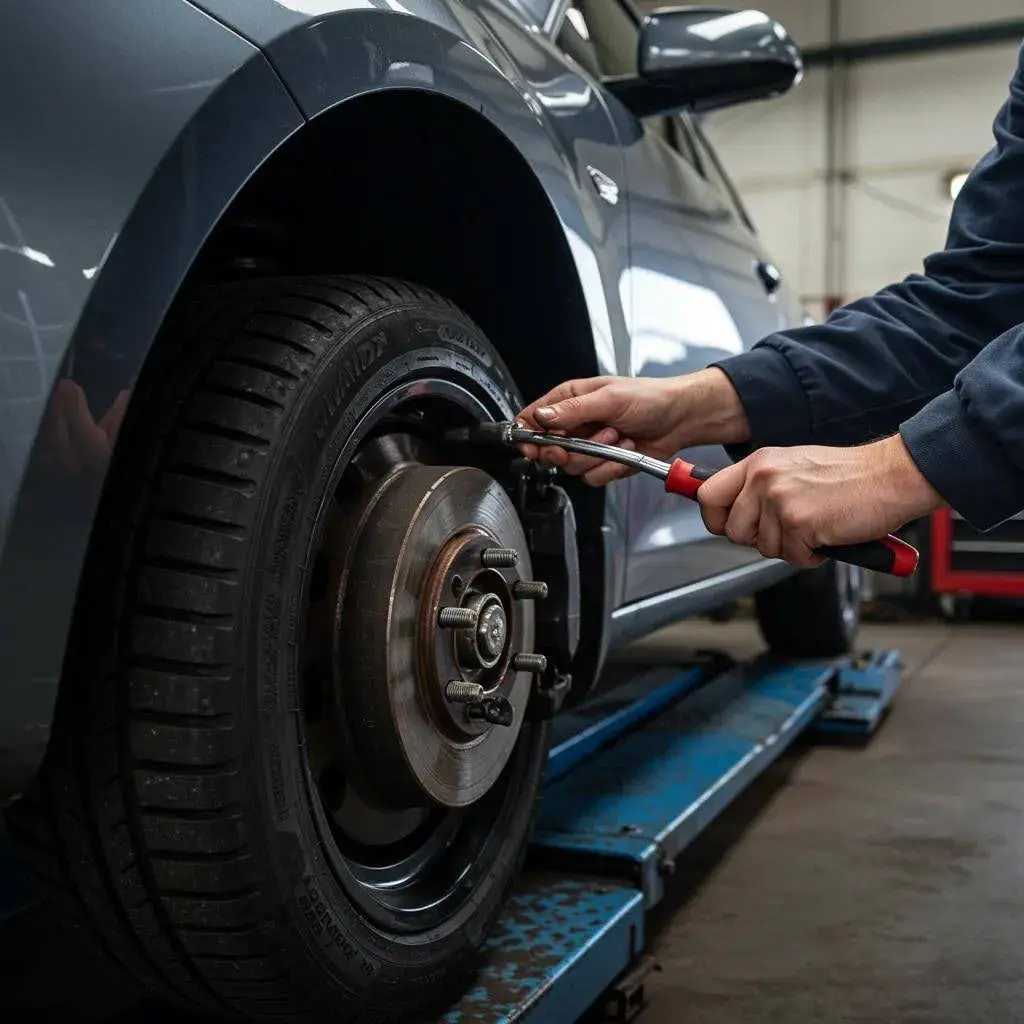
Each MOT class has a tailored checklist to match vehicle design and usage. The following sections highlight core differences in inspection procedures across classes.
Key Inspection Points for Class 4 MOTs
Class 4 tests examine seven critical areas:
- Brakes – balance, condition, and performance
- Lights and indicators – functionality and alignment
- Tyres and wheels – tread depth and integrity
- Steering and suspension – play and wear
- Exhaust emissions – compliance with environmental limits
- Seatbelts – anchorage and operation
- Structure and body – corrosion and damage
Technicians at All Vehicle Services use calibrated equipment to verify each point, ensuring comprehensive coverage of essential safety systems.
Seatbelt Check Variations in Classes 4a and 5a MOTs
In Classes 4a and 5a, seatbelt inspections go beyond operation to include:
- Security of seatbelt mountings and anchorages
- Presence of required markings and correct labelling
- Retractor tension assessment for each passenger position
These additional checks help confirm that vehicles designed for more occupants meet legal installation standards before a pass can be issued.
Additional Checks for Class 7 Goods Vehicles
Class 7 goods vehicles undergo expanded safety checks:
- Suspension condition at load-bearing points
- Brake performance on a roller brake tester and lining/drum condition
- Chassis and body corrosion assessment at high-stress areas
- Fuel system condition and checks for leaks
- Standard MOT emissions testing for applicable engines
This rigorous protocol protects both drivers and other road users by ensuring heavy vans remain roadworthy in demanding service conditions.
Motorcycle MOT Class Testing Procedure Differences
Motorcycle tests for Class 1 and Class 2 focus on:
- Frame integrity and fork operation
- Brake efficiency on a roller brake tester
- Tyre condition and pressure
- Light and horn functionality
- Exhaust smoke/noise checks where applicable
Class 2 adds higher-performance brake and suspension tests reflecting the power and speed capabilities of larger engines.
Identifying Your Vehicle’s MOT Class
Identifying the correct MOT class prevents booking errors and streamlines inspection preparation. The following factors and documents help you determine your class.
Factors Determining Your Car’s MOT Class
Key determinants include:
- Vehicle type (motorcycle, passenger car, goods vehicle)
- Unladen or design gross weight (documented on registration)
- Number of passenger seats installed
- Purpose-built configurations (ambulance, motor caravan)
By matching these criteria to the DVSA classification table, owners select the appropriate class and avoid misclassification fees.
Using Vehicle Documents to Find Your MOT Class
Your vehicle registration document (V5C) lists weight and seating capacity, while manufacturer plates specify design gross weight. The user manual often confirms class-related data. Cross-reference these details with the MOT class definitions in this guide to pinpoint the correct inspection category without guesswork.
Online Tools and Local Services for MOT Class Identification
Official online services let you check vehicle details; your MOT class can be confirmed by our team. Locally, All Vehicle Services offers expert advice in person or by phone, using documented vehicle specifications to confirm your classification and ensure a smooth booking experience.
Costs and Booking Options for MOT Classes at All Vehicle Services Sittingbourne
All Vehicle Services provides transparent pricing and convenient booking procedures for the classes we test in Sittingbourne, designed to suit local car owners, motorcyclists, and commercial operators.
Booking Procedures for MOTs
- Call our reception with your registration and class information.
- Confirm available slots for your vehicle type.
- Drop off your vehicle at the agreed time with the key and V5C.
- Receive test updates by phone and collect your vehicle once complete.
This streamlined process minimises downtime and keeps you informed every step of the way.
Why Choose All Vehicle Services for Your MOT in Sittingbourne?
With years of local experience, All Vehicle Services combines DVSA-approved testers, transparent pricing, and personalised customer care. Our trained technicians offer hands-on guidance to prepare your vehicle and avoid common failure points. This local expertise helps reduce the chance of a retest and ensures a smooth MOT experience.
Requesting a Quote or Booking Your MOT Online
Use our online enquiry form to submit your vehicle details, desired class, and preferred date. A member of our team will provide a tailored quote and confirm your booking slot. This digital option fits busy schedules while securing the class-specific expertise your vehicle demands.
Common MOT Failure Reasons by Class
Understanding failure patterns by class helps drivers perform pre-check routines and avoid costly retests. These insights reflect common failure trends and our local test centre experience.
Typical Failure Points for Class 4 MOTs
Most Class 4 failures arise from:
- Faulty brake pads, discs, or calipers
- Burnt-out bulbs, misaligned headlights, or indicator faults
- Worn tyre tread below the legal limit or uneven wear
- Excessive exhaust emissions beyond permitted levels
- Damaged or non-functioning seatbelts
Owners can reduce failure risk by conducting simple visual and functional checks before the test.
Failure Reasons for Motorcycles and Three-Wheeled Vehicles
Motorcycle and Class 3 failures often stem from:
- Brake system fluid leaks or pad wear
- Tyre damage from debris or under-inflation
- Loose or damaged handlebars and steering components
- Lighting or horn malfunction obstructing visibility or signaling
Three-wheelers also require corrosion checks on chassis joints, which can lead to unexpected test outcomes if overlooked.
After a Failed MOT for Different Vehicle Classes
A failed MOT yields a VT30 defect report listing “dangerous,” “major,” and “minor” faults. For critical failures, your vehicle cannot be driven until repairs are made.
All Vehicle Services provides on-site repairs or recommendations for trusted local specialists. Once corrected, you return for a retest focusing only on failed items, which may be at a reduced fee depending on policy.
Frequently Asked Questions About MOT Classes
Vehicle owners frequently seek clarity on key aspects of MOT classes to prepare effectively for testing. Common queries include:
- The full list of eight MOT classes and which vehicles each covers
- Differences between Class 4 and Class 7 inspections for vans and light commercial vehicles
- How often is an MOT required for vehicles over and under three years old
- Availability of Class 4 MOT appointments for vans in Sittingbourne
- Specific seatbelt check requirements on larger passenger vehicles
Addressing these inquiries helps drivers select the correct class and anticipate test requirements.
By mastering MOT classes and engaging local expertise at All Vehicle Services in Sittingbourne, you ensure your vehicle meets all legal standards, avoid unexpected failures, and complete your annual test efficiently. Our class-specific knowledge, transparent pricing, and DVSA-approved service make us the trusted choice for Class 4 MOTs in Sittingbourne.