A “wet belt” is a timing or accessory belt that has been soaked in engine oil. Oil in the rubber weakens the belt, which can throw off cam timing and reduce the effectiveness of the drive side on Ford Transit EcoBlue engines.
This guide covers the common symptoms of a wet belt, why oil gets onto the belt, and how to check for contamination. Taking action early can help you avoid bigger problems.
Spotting the problem early protects engine timing, lowers the risk of bent valves or piston contact, and helps keep repair costs and downtime low for vans you use every day.
Common Symptoms of a Ford Transit Wet Belt
A wet belt often causes timing and drivability problems because the oil-soaked belt slips, softens, and loses grip. Drivers will notice clear signs of contamination or worn parts, which means it’s time for an inspection.
Here’s a quick list of signs to watch for. If you notice these early, you can book a diagnostic and avoid costly engine damage.
Watch for these common wet-belt signs:
- Engine misfire or stutter during acceleration or at idle.
- Rough idling or unstable RPMs under load or at rest.
- Unusual sounds such as ticking, whining, squealing, or rattling around the timing cover.
- Noticeable loss of low-end torque or a sudden drop in power.
- Visible oil leaks near the belt or timing cover seal.
- Dashboard warning lights, like the engine management or check-engine lamp.
How Misfires and Rough Idling Point to a Wet Belt
Misfires and rough idle occur when an oil-soaked belt slips or causes timing to drift, resulting in a change in the camshaft’s position relative to the crank. This affects valve timing and combustion, which you’ll notice as stuttering, loss of low-end power, or an unstable idle.
Diagnostics often show cam/crank correlation faults or misfire counts. Live data can reveal inconsistent cam angle readings under load. You can also check the belt and tensioner for oil and read stored fault codes with a good diagnostic tool.
These drivability problems often come with unusual noises, since timing drift and worn tensioners can cause mechanical sounds. If you notice misfires along with odd noises, make inspection a priority to lower the risk of internal damage.
What Noises Suggest a Wet Belt Failure?
Oil-contaminated belts and related failures make a few distinct sounds. A soft, oily belt slipping can cause a whining or high-pitched squeal at start-up or under load. A worn tensioner or dry pulley usually ticks or rattles.
A deep metallic clatter is more serious. It can mean valve-to-piston contact if timing has jumped.
A saturated belt may also give off a faint burning-oil smell, and contaminated pulley bearings can howl. If you hear ongoing squeals or metallic knocks, limit driving and call for an immediate inspection to find out if the problem is belt contamination, tensioner or pulley failure, or internal engine damage.
Why Wet Belts Happen on Ford Transit EcoBlue Engines
Wet belt failure on EcoBlue engines is usually caused by oil contamination, such as diesel dilution or oil leaks that soak the belt. Tensioner or pulley wear can make the problem worse and speed up belt damage.
The EcoBlue design and frequent DPF regeneration cycles, especially with short trips, can increase diesel dilution risk and let fuel or oil residues reach seals and the belt area.
Other factors include using the wrong oil grade, worn timing cover seals, and failed tensioners or idler pulleys. Knowing these root causes helps you fix both the belt and the source of contamination, so the problem doesn’t return.
Quick checklist of primary causes and what to do:
- Oil contamination from dilution or leaks: locate and repair seals to stop recontamination.
- Tensioner/pulley wear: replace these parts when you renew the belt.
- Wrong oil or overdue changes: stick to the correct oil spec and service schedule.
- Driving pattern: frequent short trips raise regeneration frequency and dilution risk.
If you replace the belt but don’t fix the oil source, the problem often comes back. The next section explains how oil damages belt materials, so you’ll see why fixing both is necessary.
How Oil Damages a Belt
Oil soaks into the belt rubber, causing it to swell and soften. This reduces grip and friction, so the belt can slip on sprockets under load. Diesel dilution and DPF events can raise fuel or hydrocarbon levels in the oil, making EcoBlue engine belts especially vulnerable.
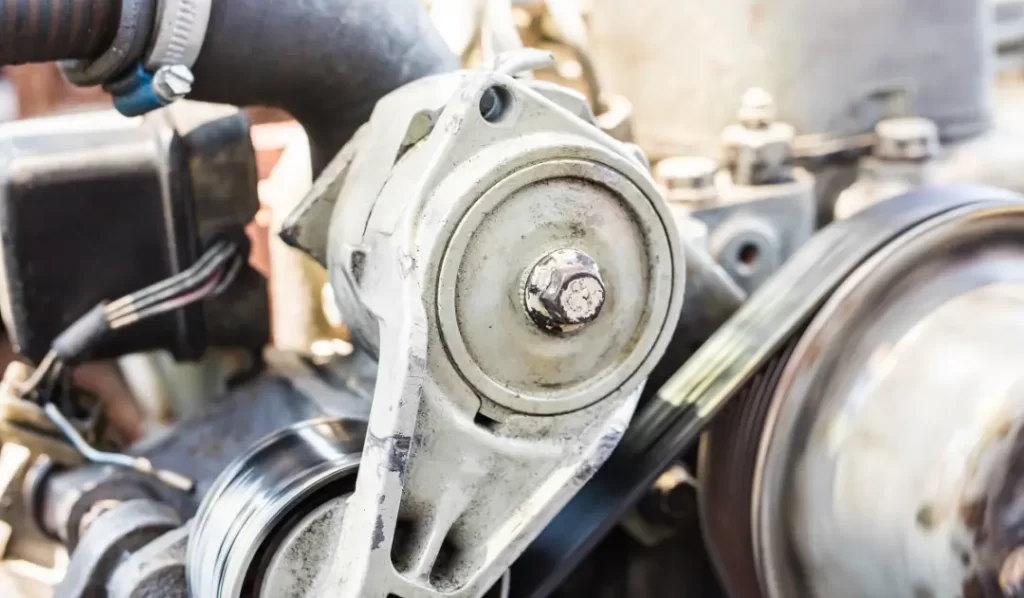
An oil‑soaked belt looks glossy, feels soft, and often has rounded or damaged teeth; nearby tensioners commonly show oil deposits and poorer damping. Spotting contamination early lets you fix seals and replace the belt before timing drift causes valve contact.
Other Reasons Belts Wear Prematurely
Besides oil contamination, mechanical faults such as worn tensioners, seized idler pulleys or misalignment cause uneven loading and extra heat, which speeds belt wear.
Using the wrong oil grade or skipping oil changes lets deposits build up. Heavy stop-start use adds more heat and stress. Manufacturing defects or age-related brittleness can also cause problems when belts or parts get old.
The solution is to do regular visual checks, replace tensioners and pulleys when you change the belt, and use the right oil and service intervals for how you use your van.
How Serious Is Ignoring Wet Belt Symptoms?
Ignoring wet-belt symptoms is risky. Timing drift can lead to valve-to-piston contact, bent valves, damaged pistons, and possibly full engine replacement if interference happens. Repairs can range from simple belt and tensioner replacements to major engine work, such as head repairs or an engine swap.
| Wet belt caught early | Contaminated belt — replace belt & tensioner | Short workshop visit; modest cost |
| Belt slip/timing drift | Bent valves, damaged pistons | Head repairs or valve replacement; larger bill |
| Complete belt failure | Severe internal damage or a seized engine | Possible engine rebuild or replacement; long downtime |
This shows how quickly costs and downtime can rise if you wait. A pre-emptive belt service is much cheaper than head work or an engine swap, and it keeps your van on the road.
Welt Belt Can Cause Engine Damage
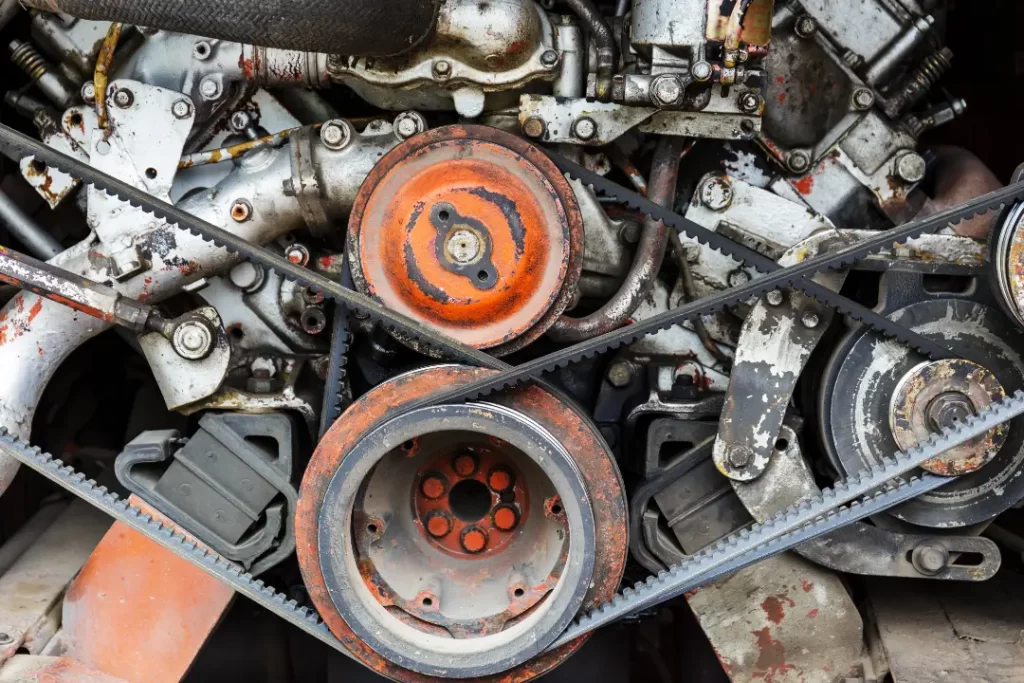
If a wet belt slips or breaks, cam timing can shift enough for valves to hit pistons in an interference engine, bending valves or scoring pistons and cylinders.
Early signs of internal damage include metallic noises when the engine slows down, oil in the coolant, and ongoing misfire codes after a belt change. If caught early, damage may be limited to valve replacement or head machining. The longer the vehicle runs after failure, the more likely a full rebuild or engine replacement will be needed.
The repairability of the engine depends on how quickly the vehicle was stopped and inspected after symptoms appeared.
Repair Costs and Downtime Grow After Fail
Costs can escalate from a simple belt replacement to head repairs and rebuilds, and downtime can range from a day or two to several weeks if the engine requires major work. For businesses, lost revenue from a van out of service and hire costs can easily be higher than the parts bill.
Preventive checks and fast diagnostics make financial sense. Early inspection and repair reduce parts and labour costs, shorten business disruption, and make warranty or insurance claims easier. Acting on early symptoms keeps both costs and downtime low.
When to Inspect or Replace Your Ford Transit Wet Belt
Have the belt checked if you notice any of the symptoms listed earlier, such as oil on the timing cover, or obtain cam/crank correlation codes after any work that disturbs the timing cover or seals.
Independent garages often recommend earlier inspections or pre-emptive replacement for vans with heavy stop-start use. OEM guidance has also been updated to reflect the risk of oil dilution.
How Regular Oil Changes Help Prevent Wet Belt Problems
Regular oil changes with the right oil reduce diesel dilution and the build-up of contaminants that soak belts and bearings. This helps preserve belt grip and extends the life of engine parts.
Using the manufacturer-recommended oil grade and keeping oil-change intervals tailored to your duty cycle reduces the likelihood of belt contamination from regeneration events or fuel dilution.
Routine servicing also lets technicians check timing cover seals, tensioners, and pulleys for early signs of leaks or wear, and recommend replacement before anything fails. Good oil management is your first line of defence against wet-belt problems.
Get Your Ford Transit Checked At All Vehicle Services for Accurate Diagnostics
If your Ford Transit is exhibiting symptoms that could indicate a wet-belt issue, the most crucial step is to obtain accurate diagnostics.
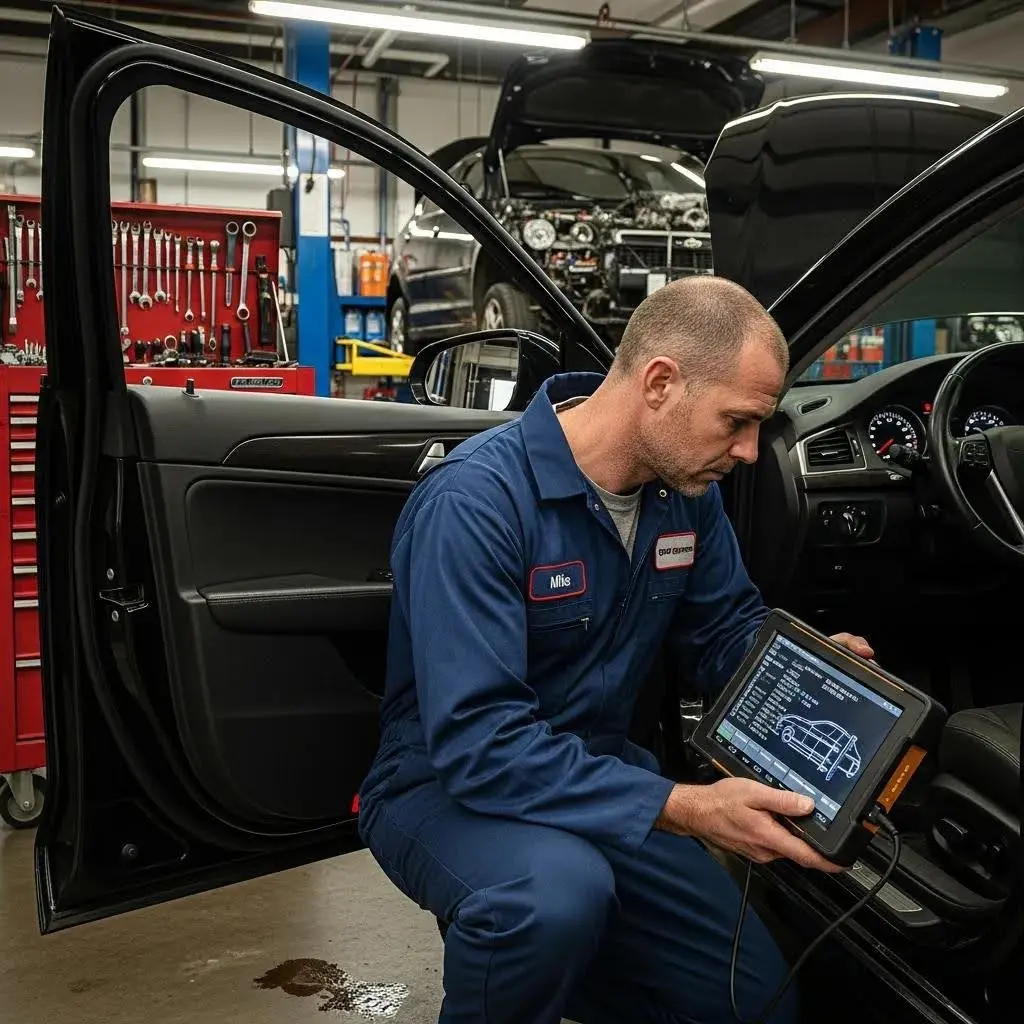
We can help. At our ultra-modern garage in Sittingbourne, we utilise state-of-the-art diagnostic equipment to identify engine faults and any other causes affecting performance or reliability.
We don’t make assumptions, guess, or suggest unnecessary replacements. With more than 50 years of combined experience, our team can also identify oil leaks, service needs, and worn parts, ensuring small problems are addressed before they escalate into costly engine damage.
If you notice misfires, rough running, warning lights, power loss, or oil around the timing cover, bring your Ford Transit in or use our local collection service in Sittingbourne. Fast diagnostics now could save you thousands in the future.
Frequently Asked Questions
What is the lifespan of a wet belt in a Ford Transit EcoBlue engine?
There’s no single answer. Lifespan depends on driving style, maintenance, and oil condition. Manufacturers generally advise inspecting the timing drive between about 60,000 and 100,000 miles, but that interval can be shorter for vehicles that do many short trips or heavy work.
Regular checks and timely replacements help prevent early failure that could cause major engine damage. Always follow your owner’s manual and talk to a trusted mechanic about your driving habits for personalised advice.
How can I tell if my Ford Transit needs a wet belt replacement?
Look for engine misfires, rough idling, unusual noises around the timing cover and visible oil leaks. These signs warrant an immediate inspection.
Also consider replacement if the vehicle reaches the recommended inspection mileage or if your driving habits increase wear. Replacing the belt early can help you avoid serious engine problems.
Can I drive my Ford Transit with a wet belt issue?
We don’t recommend it. Driving with a wet belt can worsen timing drift and lead to valve‑to‑piston contact, which may mean costly repairs or engine replaceIf you think you have a wet belt problem, stop driving when it’s safe and book a diagnostic inspection as soon as you can. Acting early can prevent much bigger repair bills.r bills.
What maintenance practices can help prevent wet belt failure?
Regular maintenance is key. Stick to oil-change intervals using the correct oil, check timing cover seals for leaks, and replace the belt along with tensioners and pulleys during service.
Try to reduce frequent short trips when possible to lower the risk of diesel dilution. Work with a qualified technician to set a maintenance schedule that fits how you use your vehicle.
Are there any specific oil types recommended for Ford Transit EcoBlue engines?
Yes. Use the oil grade specified by Ford for your engine. This typically refers to a modern, fully synthetic oil that meets the specified viscosity and performance standards.
Using the wrong oil or ignoring the specs increases the risk of wear and contamination. Always check the owner’s manual or ask a professional to confirm the right oil for your vehicle.
What should I do if I notice oil contamination on my wet belt?
If you find oil on the belt, stop driving immediately if it’s not safe to continue and arrange for a professional inspection as soon as possible. The technician will check for contamination, locate the leak source, and recommend repairing seals, replacing the belt, and any other affected parts.
Fixing the leak and replacing contaminated parts quickly limits damage and keeps repair costs down.
Conclusion
Ford Transit wet-belt issues can deteriorate rapidly, and identifying early symptoms can mean the difference between a simple repair and major engine damage. Knowing what causes contamination and what signs to watch for helps you act early and protect your van, whether you use it for business or personal needs.
If you’re unsure, a professional diagnostic check gives you the clarity and confidence to keep your Transit running safely and reliably.