Brake fluid transfers force from the brake pedal to each wheel, directly impacting your vehicle’s stopping safety. Using the correct fluid, matched to your manufacturer’s DOT rating and driving style, helps prevent brake fade, corrosion, and ABS issues.
This guide explains the main DOT types (DOT 3, DOT 4, DOT 5, and DOT 5.1), the differences between glycol and silicone-based fluids, and the importance of boiling point and water absorption.
You’ll also find practical home checks, details on professional flush services, and clear advice to help you maintain optimal levels of your brake fluid.
What Are the Different Types of Brake Fluid?
Brake fluids are classified by DOT ratings, which indicate their chemistry and minimum performance standards. Key factors include boiling point and moisture absorption, as both significantly impact safety and replacement frequency.
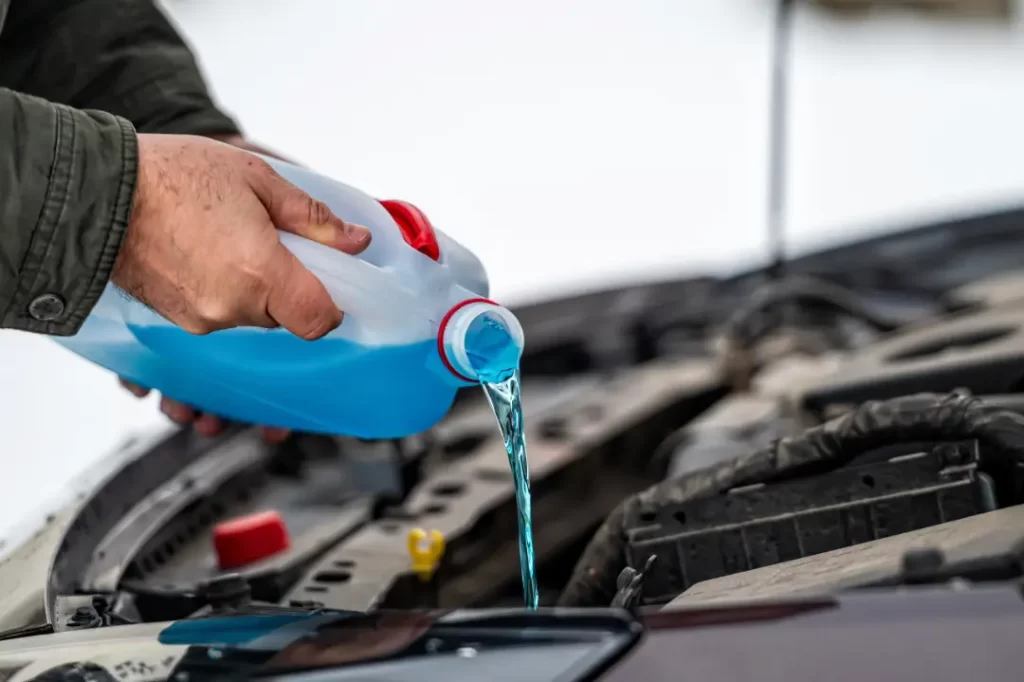
Difference Between DOT 3, DOT 4, DOT 5, and DOT 5.1 Brake Fluids
DOT 3 and DOT 4 are glycol-ether-based fluids used in most passenger cars, offering suitable boiling points for daily driving and light towing. DOT 5.1 is also glycol-based but has a higher boiling point, making it suitable for heavier use or some modern ABS systems.
DOT 5 is silicone-based and does not absorb moisture. It maintains a stable dry boiling point but is not compatible with glycol fluids and may cause air-trapping issues in some ABS units. Always follow your vehicle handbook’s DOT rating. Switching between glycol and silicone fluids requires a full system flush to prevent compatibility problems.
Difference Between Glycol-Based and Silicone-Based Brake Fluids
Glycol-based fluids (DOT 3, DOT 4, DOT 5.1) are hygroscopic, meaning they absorb moisture over time. This lowers their wet boiling point and can cause brake fade during heavy or repeated braking.
Glycol fluids tend to draw water to low points in the system rather than leaving it on metal surfaces, which impacts maintenance. Silicone-based DOT 5 does not absorb moisture, so its dry boiling point remains stable, but it can trap water and is incompatible with most glycol systems and many ABS modules.
For most drivers, glycol-based fluid provides reliable performance and is well-suited to modern braking systems.
Different DOT ratings and fluid types have distinct performance characteristics that may be noticeable in daily driving.
| DOT 3 | Glycol-ether | ~205°C (401°F) | Yes |
| DOT 4 | Glycol-ether (higher spec) | ~230°C (446°F) | Yes |
| DOT 5 | Silicone | ~260°C (500°F) | No |
| DOT 5.1 | Glycol-ether (high performance) | ~270°C (518°F) | Yes |
This table illustrates the importance of using the correct DOT rating. Boiling points and moisture handling directly affect braking reliability and service intervals.
Why Is Regular Brake Fluid Change Crucial for Car Safety?
Brake fluid becomes less effective as it absorbs moisture and accumulates contaminants. Increased water content lowers the wet boiling point, raising the risk of vapour formation during hard braking.
This can cause brake fade and a soft or spongy pedal. Water in the system also accelerates corrosion in master cylinders, lines, callipers, and ABS modules, potentially leading to costly repairs and unsafe braking.
Identifying warning signs early and following the manufacturer’s schedule helps prevent minor issues from becoming failures and ensures reliable brake performance.
Signs of Degraded or Contaminated Brake Fluid
Detecting degraded fluid early helps you determine whether to inspect or schedule service. Common signs include a soft or spongy brake pedal, increased pedal travel, dark or murky reservoir fluid, or a brake/ABS warning light.
Poor braking during repeated stops, such as on long hills or while towing, can also indicate fluid boiling or contamination. If you notice any of these signs, arrange an inspection to prevent corrosion or failure.
- Soft pedal or increased travel: May indicate vapour or air in the system.
- Dark or murky reservoir fluid: Indicates degraded or contaminated fluid.
- Brake or ABS warning lights: May signal faults detected by the system.
Early detection reduces repair costs and maintains safe braking performance.
When Should I Change My Car’s Brake Fluid?
Most manufacturers recommend changing brake fluid every two years (about 24,000 miles) as a baseline. However, driving style, towing, or performance use may require more frequent changes.
Use the manufacturer’s interval along with any symptoms, such as a spongy pedal, dark fluid, or warning lights, to determine when to flush the system.
A full flush, which includes complete fluid replacement and bleeding, is preferable to topping up. It removes moisture and contaminants from the entire hydraulic circuit and protects the master cylinder, lines, callipers, and ABS units.
Manufacturer Recommendations for Brake Fluid Change Intervals
Many manufacturers recommend changing brake fluid every two years (or about 24,000 miles), though some performance or commercial vehicles may require shorter intervals.
Check your vehicle handbook for specific guidance. Heavy-use cases, such as towing or track days, require more frequent attention. If you plan to switch to a higher DOT rating, confirm compatibility with your ABS and braking components. Changing fluid type usually requires a professional flush to remove the old fluid completely.
Combine the recommended interval with observed symptoms to create a practical maintenance schedule.
How Can I Know If My Brake Fluid Needs Changing?
Simple home checks and periodic professional testing provide a clear assessment of fluid condition. Visually inspect the reservoir for dark colour and cloudiness, and use moisture test strips or an electronic brake-fluid tester to measure water content.
If results are unclear or indicate contamination, schedule a professional inspection. A technician can measure water content and recommend a flush if necessary.
- Visual check: Inspect reservoir colour and clarity every few months.
- Test strips/testers: Use a moisture test to measure water percentage.
- Professional evaluation: If unsure, have a specialist test the fluid and advise on a flush.
How Is a Professional Brake Fluid Change and Flush Service Performed?
A professional brake fluid change includes inspection, removal of old fluid, flushing the lines, refilling with the correct DOT-rated fluid, and testing to confirm system integrity.
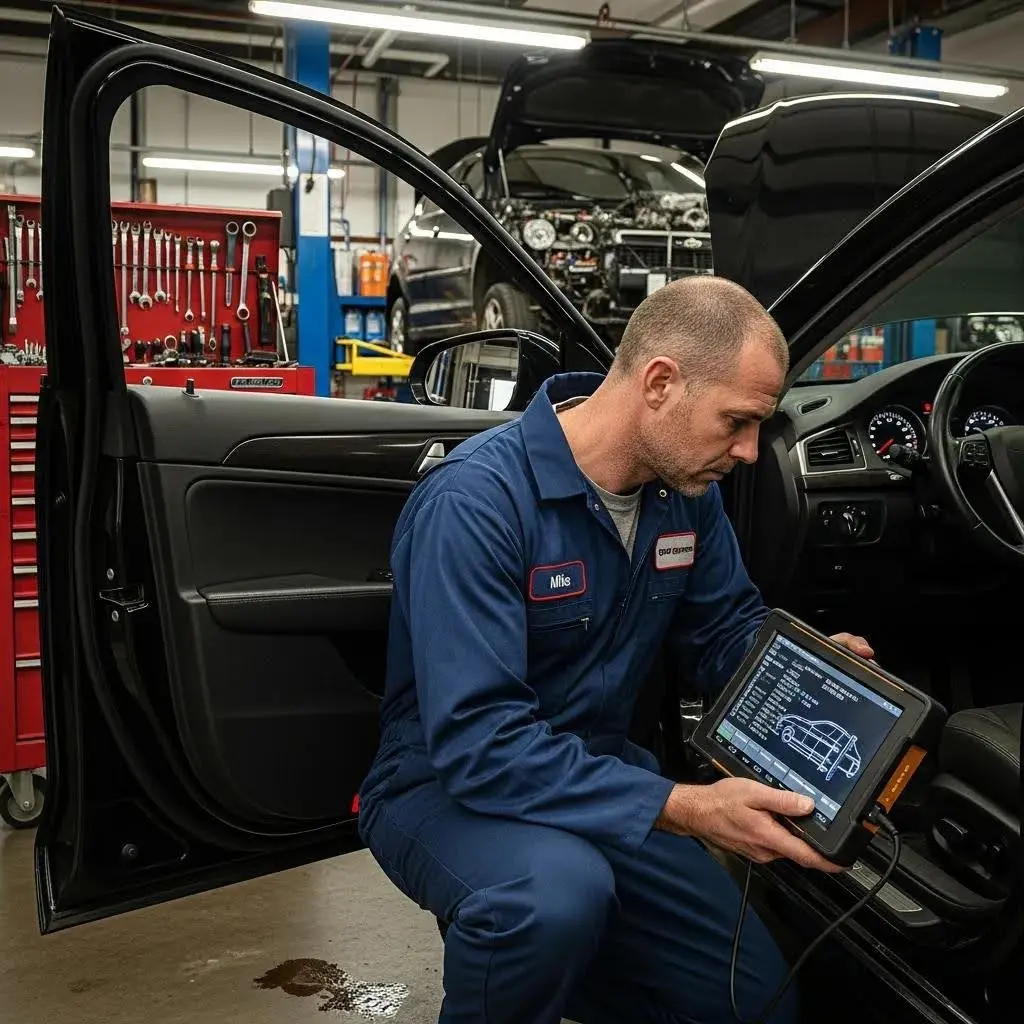
A full service preserves boiling point margins, reduces corrosion risk, and ensures proper ABS and master cylinder function. Technicians test fluid moisture, inspect hoses and components for corrosion or damage, perform controlled bleeding to remove air, and complete a road or diagnostic test to verify pedal feel and clear any faults.
Clear service descriptions and transparent pricing help you select the appropriate level of care for your vehicle.
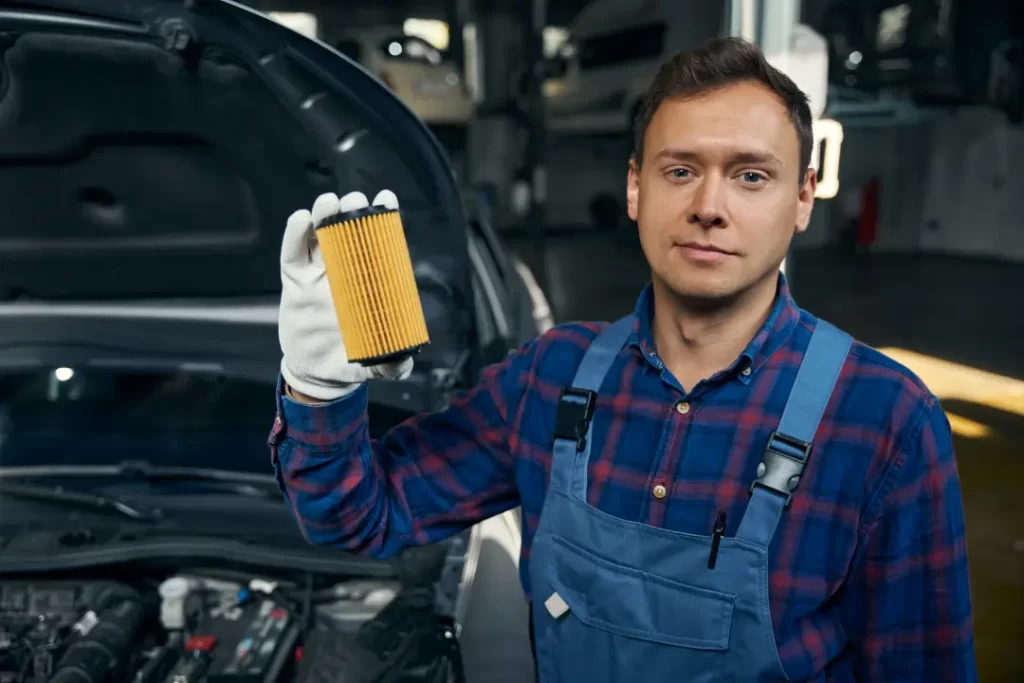
What Steps Are Involved in a Brake Fluid Replacement at All Vehicle Services?
At All Vehicle Services, we begin with an inspection and moisture test to assess fluid condition, followed by a full system flush and controlled bleed. Technicians drain the reservoir, flush fluid through the lines and callipers to remove contamination, refill with the correct DOT-rated fluid, and bleed the system until it is air-free.
Finally, we test the brakes at idle and on the road to confirm pedal firmness and ensure no warning lights or leaks remain.
This step-by-step process ensures braking reliability and protects ABS components.
How Can I Check My Car’s Brake Fluid Level and Condition?
Check brake fluid with the engine off and the vehicle on level ground. Clean the reservoir cap before opening to prevent dirt entry. Visually check the fluid level against the marks and assess its colour; dark or cloudy fluid is a warning sign.
For a more objective assessment, use moisture test strips or an electronic tester to measure water content. If readings exceed manufacturer limits, schedule a full flush. Regular checks and professional testing protect the master cylinder, lines, callipers, and ABS module from water-related damage.
Can Different Types of Brake Fluid Be Mixed in My Car?
Mixing brake fluids depends on their chemistry. Glycol-based fluids (DOT 3, DOT 4, DOT 5.1) are generally compatible with each other in emergencies, but mixing can alter boiling-point margins and maintenance requirements. A planned flush is recommended when switching types. Silicone-based DOT 5 must never be mixed with glycol fluids.
For emergency top-ups, use the correct DOT type and schedule a full service soon after to prevent long-term issues.
Why DOT 5 Silicone-Based Fluid Should Never Be Mixed with Others
DOT 5 silicone fluid is chemically incompatible with glycol-based fluids. Mixing can cause separation, air entrapment, unpredictable braking behaviour, and may damage seals and ABS components. Because silicone does not absorb moisture, the system behaves differently, and residual glycol can form emulsions that impair performance.
If DOT 5 has been added by mistake, a professional full flush and cleaning are required before refilling with the correct fluid.
For professional diagnostics or a transparent quote for a brake fluid flush, contact All Vehicle Services at Unit 5b Brickmakers Ind Est, Castle Road, Sittingbourne, Kent, ME10 3RL, or call 01795 422040 to book an appointment.
Frequently Asked Questions
What Are the Signs That My Brake Fluid Needs to Be Changed?
Look for a spongy pedal, dark or cloudy fluid in the reservoir, or illumination of the brake or ABS warning lights. Reduced braking performance during repeated stops or while towing may also indicate fluid degradation. If you notice any of these signs, arrange a professional inspection.
How Does Temperature Affect Brake Fluid Performance?
High temperatures can cause brake fluid to vaporise, leading to vapour lock and a spongy pedal with reduced stopping power. Each fluid type has a specific boiling point; exceeding it compromises braking. Regular fluid changes according to the manufacturer’s schedule help maintain effectiveness, especially if you drive in hot conditions or engage in aggressive driving.
What Should I Do If I Accidentally Mix Different Brake Fluids?
If you suspect you’ve mixed fluids, especially glycol and silicone types, stop driving and seek professional help. Mixing can cause separation, air entrapment, and unreliable braking. Arrange a full flush as soon as possible to remove the mixed fluids and restore proper performance.
Can Brake Fluid Expire or Deteriorate Over Time?
Yes. Brake fluid is hygroscopic, so it absorbs moisture over time. This lowers its boiling point and can cause corrosion in the braking system. Most manufacturers recommend changing the fluid every two years or approximately 24,000 miles, although this interval varies depending on usage. Regular checks and timely replacement are important for safe braking.
What Are the Benefits of Using High-Performance Brake Fluid?
High-performance fluids, such as DOT 5.1, typically have higher boiling points and may better resist moisture-related performance loss in demanding conditions, such as racing or heavy towing. They can reduce the risk of brake fade and maintain a consistent pedal feel under extreme use. Always check compatibility with your vehicle before switching to a higher-rated fluid.
How Can I Ensure My Brake Fluid System Is Properly Maintained?
Check the fluid level and condition regularly, following the manufacturer’s recommended change intervals (commonly every two years or 24,000 miles). Schedule professional inspections to assess hoses and components for wear and corrosion. Maintaining a simple log helps you track service intervals and avoid missed replacements.
Conclusion
Understanding the types of brake fluid, how they behave, and when they need to be replaced is essential for maintaining safe and consistent braking performance.
By choosing the correct DOT-rated fluid, monitoring moisture levels, and following recommended change intervals, you protect critical components such as the master cylinder, callipers, brake lines, and ABS system.
Regular checks and professional flushes prevent brake fade, corrosion, and costly repairs. When in doubt, inspecting the fluid or booking a proper test ensures your braking system stays reliable, responsive, and ready for any driving condition.